Where Milk Quality Begins
Most people don’t think much about what happens before milk reaches the grocery store. Milk quality starts long before it ever gets to the processing plant. It begins on the dairy farm, long before the milk is pasteurized, packaged, and delivered to your refrigerator.
It Starts With Healthy Cows
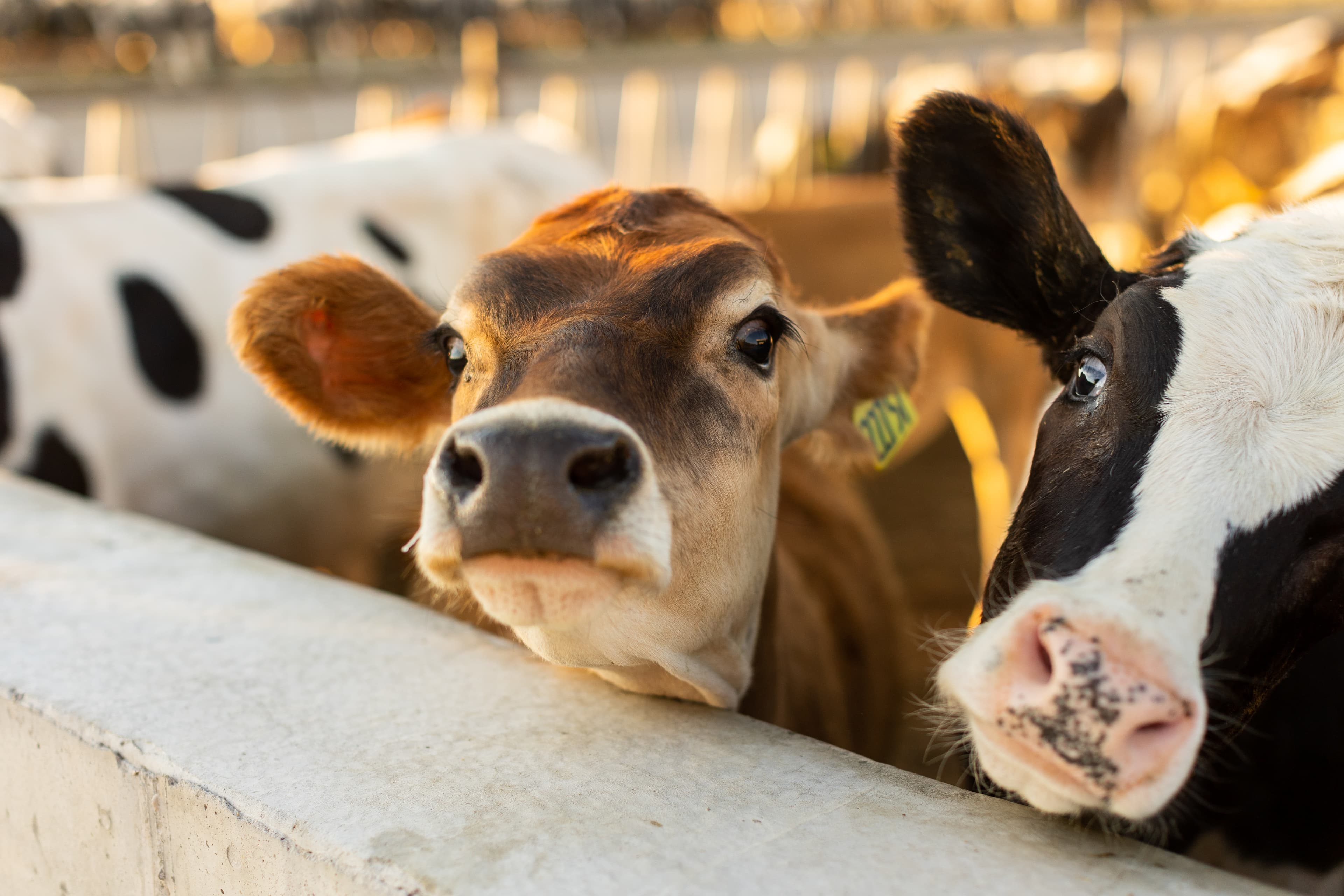
The quality of milk is directly connected to the health and comfort of the cows that produce it. Dairy farmers work year-round to provide balanced nutrition, clean water, comfortable bedding, and regular veterinary care. Healthy cows naturally produce higher-quality milk, making animal care one of the most important parts of the process.
Dairy cows typically spend 10 to 14 hours each day lying down and resting. Comfortable cows are healthier, experience less stress, and are more productive.
Milk Is Tested Every Time It’s Picked Up
Milk is tested extensively before it ever reaches the grocery store.
Every load of milk collected from a dairy farm is sampled before it leaves the farm. Those samples are analyzed for quality and safety, including:
- Temperature
- Antibiotic residues
- Butterfat and protein levels
- Somatic cell count (an important indicator of udder health)
- Bacterial quality
If a load tests positive for antibiotics, it is immediately rejected and cannot enter the food supply. This testing helps ensure consumers receive a safe, wholesome product every time.
Cold Temperatures Keep Milk Fresh
Immediately after milking, milk is rapidly cooled to about 38°F (3°C). Cooling milk quickly slows bacterial growth and preserves freshness and flavor until it is transported to the processing facility.
From the dairy to the processing plant, milk remains in a carefully controlled cold chain to help maintain its quality. Keeping your refrigerator at 38°F helps preserve that freshness at home.
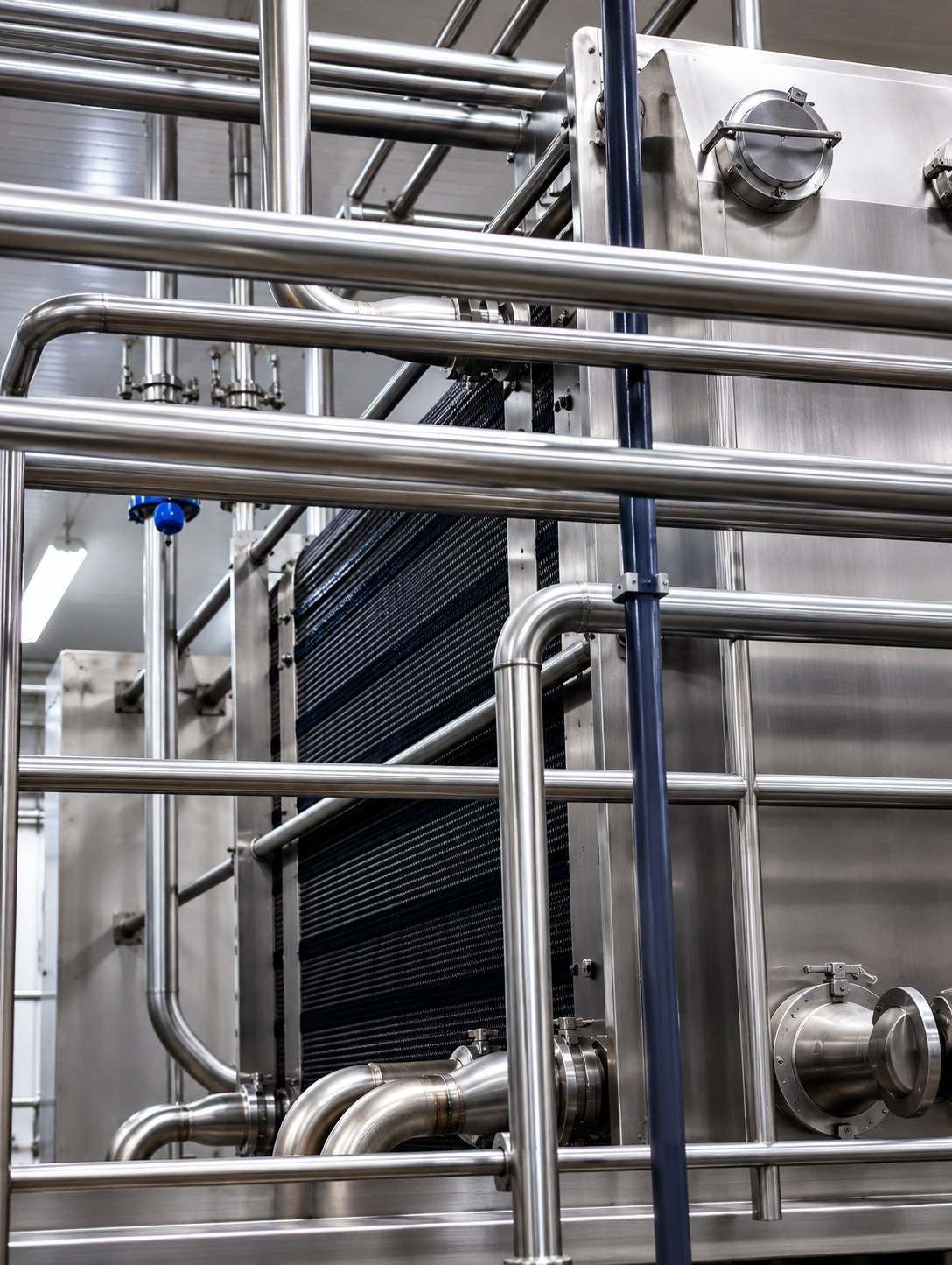 A plate heat exchanger at High Desert Milk helps rapidly cools milk to preserve
freshness, quality, and food safety.
A plate heat exchanger at High Desert Milk helps rapidly cools milk to preserve
freshness, quality, and food safety.
Milk Travels Faster Than You Might Think
Fresh milk doesn’t spend much time sitting still.
Milk is typically picked up from farms every one to two days and transported directly to a processing plant, where it is pasteurized, homogenized (for many products), packaged, and prepared for distribution. In many cases, milk can travel from the farm to a grocery store shelf in just a few days.
Quality Doesn’t End at the Farm
Once milk arrives at the processing plant, it undergoes additional quality checks before processing begins. Modern dairy plants use sophisticated equipment to monitor everything from pasteurization temperatures to packaging integrity.
Pasteurization carefully heats milk to eliminate harmful bacteria while preserving its nutritional value and fresh taste. Samples are collected throughout processing to ensure every batch meets strict food safety standards.
Did You Know?
- A dairy cow produces about 8-10 gallons of milk each day.
- Milk naturally contains 13 essential nutrients, including calcium, protein, potassium, phosphorus, and vitamins B12 and D (vitamin D is added to most fluid milk in the United States).
- Less than 2% of U.S. milk is discarded because of quality concerns, thanks to rigorous on-farm management and testing.
- Farmers are paid not only for the volume of milk they produce but also for components such as butterfat and protein, making milk quality an important part of dairy economics.
A Commitment to Excellence
Producing quality dairy products takes attention every day. From the first milking of the morning to the final quality check at the processing plant, maintaining high standards is part of the process from start to finish.
When you enjoy a glass of milk, a slice of cheese, or your favorite dairy product, you can feel confident that it was produced through one of the most carefully monitored food production systems in the world.
At High Desert Milk, that same commitment to quality carries through every step of the process. From caring for the cows to testing every load of milk and carefully producing each product, quality remains the priority. Every stick of butter, every bag of milk powder, every block of cream cheese, and every dairy ingredient begins with that same commitment.
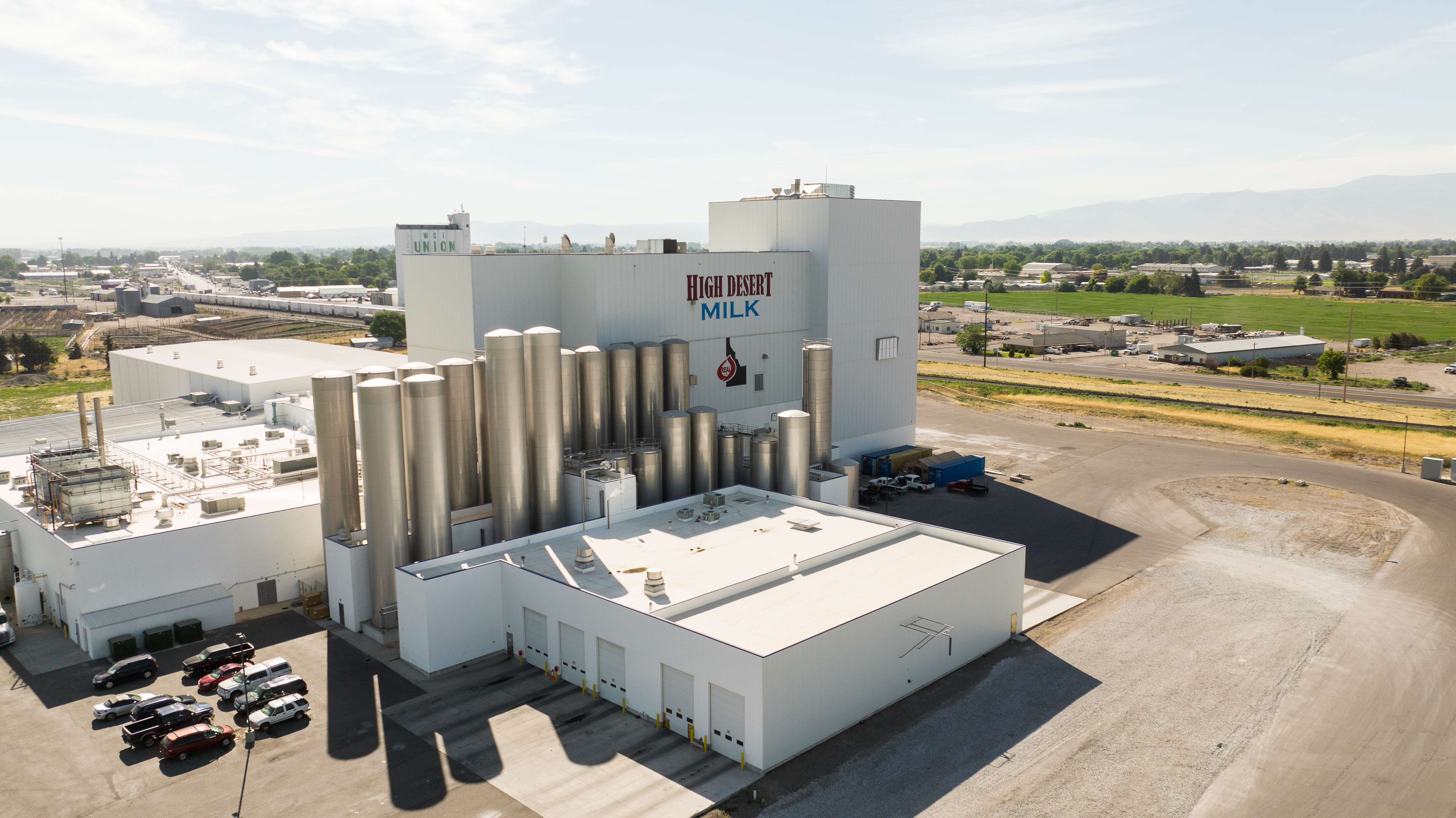 High Desert Milk plant
facility, located in Burley Idaho
High Desert Milk plant
facility, located in Burley Idaho
Frequently Asked Questions
How is milk tested before processing?
Every load of milk is sampled and tested for quality and safety before it leaves the dairy farm. Additional testing is performed throughout processing.
Why is milk cooled so quickly?
Rapid cooling slows bacterial growth and helps preserve milk’s freshness, flavor, and quality.
How long does it take milk to reach the grocery store?
Milk is often picked up from farms every one to two days and can reach store shelves within just a few days after processing. At High Desert Milk, milk is transported from our member dairies to the processing plant within 24 hours of collection.