Butter seems pretty simple. It starts with cream, which is churned until the butterfat separates from the liquid. The butter is then worked together, packaged, and chilled.
But not all butter is the same.
Differences in the cream, butterfat, processing, salt, and even how the finished butter is handled can affect its flavor and texture. Those differences matter whether you are baking cookies at home, making croissants in a bakery, or buying thousands of pounds of butter for food production.
One way to measure butter quality is through USDA grading. Grade AA is the highest USDA grade for butter.
In this guide, we’ll explain what Grade AA means, how butter is made and graded, and what separates one type of butter from another. We’ll also share some perspective from our experience producing Grade AA butter here in southern Idaho.
Table of Contents
- What “Grade AA” Actually Means
- How Butter Grading Works
- Grade AA vs. Grade A vs. Grade B
- How Butter Is Made
- Why Butterfat Matters
- Sweet Cream vs. Cultured Butter
- Salted vs. Unsalted Butter
- What Is European-Style Butter?
- How to Read a Butter Label
- How to Store Butter
- Cooking and Baking with Grade AA Butter
- Butter in Commercial Food Production
- What Food Manufacturers Should Look For
- Why Idaho Dairy Matters
- Common Butter Myths
- Final Thoughts
1. What Does “Grade AA” Actually Mean?
Grade AA is the highest quality grade the USDA gives to butter.
The grade is based on several parts of the butter, including its flavor, texture, color, and salt. A trained grader looks for problems that might lower the butter’s score.
Good Grade AA butter should have a clean, pleasant flavor. Its texture should be smooth and consistent. The color should also be even throughout the butter.
One thing that can be confusing is the relationship between grade and butterfat.
Under federal standards, butter sold in the United States must contain at least 80% milkfat. Grade AA does not simply mean the butter contains more fat. Instead, the grade is mainly a measure of the butter’s overall quality.
A Grade AA butter should not have noticeable unwanted flavors, such as stale, metallic, or other off flavors. It should also have a consistent texture without being overly greasy, crumbly, or uneven.
Why does the grade matter?
For someone cooking at home, consistency makes butter easier to work with. You want the butter you buy this week to behave like the butter you bought last week.
That can affect something as simple as spreading butter on bread or something more demanding like baking pastries.
Consistency becomes even more important for food manufacturers.
Imagine a bakery making 20,000 cookies every day. If the butter behaves differently from one shipment to another, the cookies may spread differently, taste different, or have a different texture.
A consistent butter helps manufacturers produce a consistent finished product.
2. How Does Butter Grading Work?
USDA butter grading is voluntary. That means a butter producer does not have to have its butter graded in order to sell it.
Some producers choose USDA grading because it gives customers an independent way to judge the quality of the product.
When butter is graded, trained graders look at several important characteristics.
Flavor and aroma
Flavor is one of the most important parts of butter grading.
The grader is looking for a clean, pleasant butter flavor. Unwanted flavors can lower the score.
For example, butter may develop stale or rancid flavors if the cream or finished butter is not handled properly. Other unwanted flavors can come from processing or even from what the cows have eaten.
Grade AA butter has very little room for these problems.
Body and texture
“Body” is the term used to describe how the butter feels and behaves.
Good butter should be smooth and even. It should not be unusually greasy, weak, crumbly, or sticky.
This matters when you spread butter, but it becomes especially important when butter is used for baking.
Color
The color should be fairly even throughout the butter.
Natural butter color can vary, so the goal is not to make every butter exactly the same shade of yellow. Instead, graders are looking for problems such as streaks, spots, or uneven color within the same butter.
Salt
If the butter is salted, the salt should be spread evenly throughout it.
You shouldn’t bite into one part that tastes extremely salty while another part tastes almost unsalted.
The salt should support the butter’s flavor instead of overpowering it.
What happens after grading?
The butter receives a score based on the USDA grading standards.
Butter that meets the highest requirements can receive the Grade AA designation. Grade A allows for some small differences in flavor or texture. Grade B allows more noticeable differences.
Because USDA grading is voluntary, butter without a USDA grade is not automatically bad butter. Some producers simply choose not to use the grading program.
A Grade AA mark does, however, give buyers an established standard they can look for when comparing products.
3. Grade AA vs. Grade A vs. Grade B
The easiest way to understand butter grades is to compare what they tell you about the product.
| Grade | General Quality | What You Can Expect |
|---|---|---|
| Grade AA | Highest grade | Clean flavor, smooth body, even texture and color |
| Grade A | High quality | Good flavor and texture with more allowance for small imperfections |
| Grade B | Lower grade | More noticeable flavor or texture differences are allowed |
Grade AA
Grade AA represents butter that meets the USDA’s highest grading requirements.
It should have a pleasing, clean flavor and a smooth texture. It should also be consistent throughout the product.
This makes Grade AA a good choice when the flavor and performance of the butter are especially important.
Grade A
Grade A is still good-quality butter.
It simply allows for some small flavor or texture characteristics that would keep it from receiving the higher AA score.
For many everyday cooking and baking uses, Grade A butter can work very well.
Grade B
Grade B allows more noticeable differences in flavor, body, and texture.
It is less common in grocery stores and may be used in food manufacturing where butter is only one of many ingredients in the finished product.
Grade B is still butter. The lower grade does not mean it is unsafe. It means the butter does not meet the same quality standards required for Grade A or Grade AA.
Does Grade AA really make a difference?
It depends on what you’re making.
If butter is a major part of the flavor, starting with a clean, high-quality butter can make a noticeable difference.
Think about buttered bread, shortbread cookies, buttercream frosting, croissants, or a simple butter sauce. There aren’t many other ingredients to hide the flavor of the butter.
For food manufacturers, there is another benefit: consistency.
A large manufacturer needs ingredients to behave the same way every time. More consistent butter means one less variable to worry about when producing thousands of pounds of food.
4. How Butter Is Made
Butter has been made for thousands of years, but modern commercial butter production is much more controlled.
The basic idea is still surprisingly simple.
Step 1: Separate the cream
Milk naturally contains fat.
At a dairy processing plant, equipment called a separator uses centrifugal force to separate the milk into cream and skim milk.
The cream used for butter is much higher in fat than regular milk, but it still isn’t butter yet.
Step 2: Pasteurize the cream
The cream is pasteurized by heating it to a specific temperature for a certain amount of time.
Pasteurization helps destroy harmful bacteria and makes the cream safer to use.
Careful control of temperature is important because the producer wants to protect both the safety and quality of the cream.
Step 3: Prepare the cream for churning
What happens next depends on the type of butter being made.
For sweet cream butter, the pasteurized cream can move toward the churning process without being fermented.
For cultured butter, special cultures are added to the cream. The cultures are allowed to grow under controlled conditions and create a more tangy, complex flavor.
We’ll look more closely at sweet cream and cultured butter later in this guide.
Step 4: Churn the cream
This is where cream starts becoming butter.
Cream contains tiny droplets of fat surrounded by liquid. Churning damages the outer layers around those fat droplets, allowing the fat to begin sticking together.
Eventually, the fat gathers into small pieces called butter grains.
The liquid left behind is buttermilk.
Step 5: Drain the buttermilk
The buttermilk is separated from the butter grains.
The goal is to remove the liquid while keeping the butterfat.
Depending on the process being used, the butter grains may also be washed to help remove remaining buttermilk.
Step 6: Work the butter
The butter grains are pressed and worked together until they form a smooth, solid mass.
This step has a major effect on the finished texture.
The producer wants the remaining moisture to be spread evenly throughout the butter. Poorly worked butter may have an uneven, greasy, or crumbly texture.
If the butter is salted, salt is also mixed into the butter during this part of the process.
Step 7: Package and chill
Finally, the butter is formed into the size needed for the customer.
At the grocery store, that might mean sticks or small blocks. Foodservice and manufacturing customers may need much larger blocks or other bulk formats.
The finished butter is packaged and kept cold to protect its freshness and quality.
Simple process, careful control
Butter doesn’t require a huge list of ingredients.
That simplicity is part of what makes quality control so important.
Small problems with the cream, temperature, churning, moisture, salt, or storage can show up in the finished butter.
Producing high-quality butter means controlling each of those steps again and again.
5. Why Butterfat Matters
Butter is mostly fat, but it isn’t 100% fat.
In the United States, butter must contain at least 80% milkfat. The rest is mostly water along with a small amount of milk solids.
That balance has a big effect on how butter works in the kitchen.
More fat means less water
Imagine two butters.
One contains 80% fat. Another contains 84% fat.
The second butter has less room for water and other non-fat ingredients.
A few percentage points may not sound important, but they can make a noticeable difference in certain recipes.
This is especially true in baking.
Why water matters in baking
When butter gets hot, the water inside it turns into steam.
That can be useful. In pastries such as croissants and puff pastry, steam helps push apart layers of dough and create a light, flaky texture.
But the amount of water also needs to be predictable.
Too much or too little can change how a recipe behaves.
Higher-fat butter is often popular for pastry because it contains less water and can be easier to work with when creating thin layers of butter and dough.
Butterfat affects texture
Butterfat also gives food richness and a smooth feeling in your mouth.
Think about the difference between a rich butter sauce and a thin sauce made mostly from water. Fat helps create that creamy, full texture.
Food manufacturers call this mouthfeel, which simply means the way a food feels in your mouth while you eat it.
Butterfat can change during the year
Milkfat is actually made up of many different types of fatty acids.
The exact mix can change slightly based on factors such as what cows eat and the time of year.
Those changes can affect how firm the butter is, how quickly it melts, and sometimes even its color.
This is another reason consistency matters in commercial butter production.
A good producer controls the manufacturing process carefully so customers can expect the butter to perform consistently even when natural changes occur in the milk.
What does this mean for you?
For most home cooking, you don’t need to think about the chemistry of butterfat every time you open the refrigerator.
The important thing to remember is simple:
The amount and consistency of fat and water in butter affect how it melts, spreads, bakes, and tastes.
For a home baker, that can affect the texture of a cookie or pastry.
For a food manufacturer, it can affect thousands of products at once.
6. Sweet Cream vs. Cultured Butter
Not all butter tastes the same. One of the biggest reasons is how the cream is prepared before it is churned.
Two common types are sweet cream butter and cultured butter.
What is sweet cream butter?
Sweet cream butter is made from fresh, pasteurized cream that has not been fermented.
Despite the name, sugar is not added to make it “sweet.” The term simply helps separate it from cultured butter, which has a more tangy flavor.
Sweet cream butter usually has a clean, mild flavor. This makes it a good all-purpose butter because it doesn’t overpower the other ingredients in a recipe.
It is commonly used for:
- Baking
- Cooking
- Sauces
- Spreading
- Food manufacturing
- Foodservice
Sweet cream butter is especially useful for food manufacturers because its mild flavor works well in many different products.
What is cultured butter?
Cultured butter starts with cream too, but there is an extra step.
Special bacterial cultures are added to the cream before it is churned. The cream is then allowed to ferment under controlled conditions.
This is similar to the way cultures are used to make products such as yogurt, sour cream, and some cheeses.
The fermentation changes the flavor of the cream. Cultured butter usually has a richer, slightly tangy flavor compared with sweet cream butter.
It is especially popular in European-style baking and in recipes where the flavor of the butter is meant to stand out.
Which one is better?
Neither one is automatically better.
It depends on what you are making.
Sweet cream butter is a great choice when you want a clean, traditional butter flavor.
Cultured butter is useful when you want the butter itself to add another layer of flavor.
For most everyday cooking, baking, and commercial food production, sweet cream butter is a dependable and versatile choice.
7. Salted vs. Unsalted Butter
Walk through the dairy section of almost any grocery store and you’ll find both salted and unsalted butter.
So which one should you use?
Again, it depends on what you’re making.
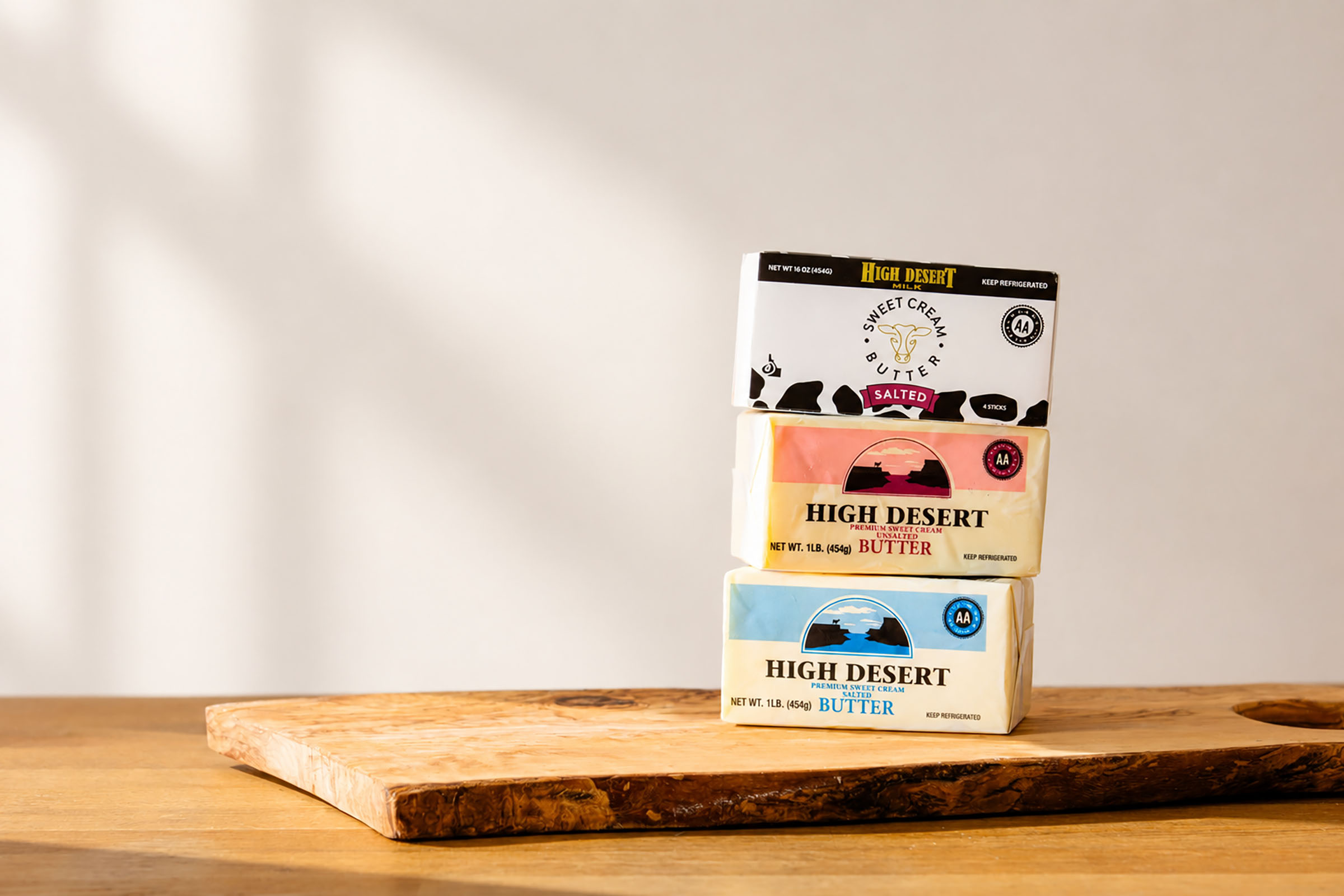
Unsalted butter
Unsalted butter gives you more control over the final flavor of your food.
This is especially helpful in baking. If the recipe calls for a certain amount of salt, using unsalted butter lets you measure that salt separately.
Salt can also affect things such as yeast and dough development, so having control over the amount can be important in some recipes.
This same idea matters even more in food manufacturing.
A food company may have a very specific sodium target for its product. Using unsalted butter allows the manufacturer to add exactly the amount of salt needed instead of having some of it already mixed into the butter.
Salted butter
Salted butter has salt mixed into it during production.
Historically, salt helped preserve butter before modern refrigeration was available. Today, it is mainly added for flavor.
Salted butter is a convenient choice for:
- Spreading on bread or toast
- Cooking vegetables
- Finishing pasta
- Adding to potatoes
- Everyday cooking
The exact amount of salt can vary between brands, which is one reason many bakers prefer unsalted butter.
An easy rule to remember
If you’re not sure which one to use, this is a good starting point:
Use unsalted butter for baking when you want precise control over the salt. Use salted butter when you want the added flavor.
Both salted and unsalted butter can be high-quality Grade AA butter. Salt is a flavor choice, not a sign of quality.
8. What Is European-Style Butter?
You’ve probably seen packages labeled European-style butter at the grocery store.
The biggest difference is usually the amount of butterfat.
Regular American butter must contain at least 80% milkfat. European-style butter commonly contains around 82% to 85% milkfat.
That may seem like a small difference, but it can matter in certain recipes.
Why does the extra butterfat matter?
More butterfat usually means less water.
That can change the texture of the butter and the way it behaves during baking.
This is especially important when making laminated doughs.
Lamination is the process used to make foods such as:
- Croissants
- Puff pastry
- Danish pastries
To make laminated dough, a baker creates many thin layers of dough and butter.
When the pastry goes into the oven, water turns into steam and helps separate those layers. The butterfat adds richness and helps create the flaky texture.
The butter needs to stay in even layers while the dough is rolled and folded. A higher-fat butter can be easier to work with for this type of baking.
Is European-style butter always better?
No.
Higher butterfat does not automatically mean better butter.
European-style describes a style of butter, while Grade AA describes a quality grade.
They are not the same thing.
For everyday cooking and baking, a good Grade AA butter with around 80% milkfat can perform very well.
European-style butter can be worth trying when making pastries where the butterfat percentage has a bigger effect on the final texture.
Some European-style butters are also cultured, which gives them a stronger, slightly tangy flavor.
9. How to Read a Butter Label
A butter package can tell you quite a bit about what’s inside if you know what to look for.
Here are a few things worth checking.
Grade
Look for a USDA grade such as Grade AA.
Grade AA means the butter meets the highest USDA butter grading requirements.
Remember that USDA grading is voluntary. Butter without a grade is not automatically poor quality. The producer may simply choose not to participate in the grading program.
The Grade AA mark gives you an established standard for judging quality.
Milkfat
Standard butter contains at least 80% milkfat.
Higher-fat butters may list their butterfat percentage more prominently on the package. European-style butter, for example, may contain 82% or more.
If you’re doing specialty baking, that extra butterfat may be useful.
For everyday cooking, the standard butterfat level works well for most recipes.
Ingredients
Butter should have a very short ingredient list.
For basic sweet cream butter, you will usually see something like:
- Cream
- Salt, if it is salted
Cultured butter may also list cultures.
If a product contains vegetable oils or several other ingredients, check the name carefully. You may be looking at a butter blend or spread instead of traditional butter.
Those products aren’t necessarily bad, but they may behave differently in a recipe.
Sweet cream or cultured
The label may also tell you whether the butter is sweet cream or cultured.
Remember:
Sweet cream butter has a clean, mild butter flavor.
Cultured butter has been fermented to create a stronger, slightly tangy flavor.
Choose the one that fits the food you’re making.
Check the package
Finally, look at the best-by date and make sure the package is in good condition.
Butter can absorb odors from the foods around it. Good packaging helps protect it from air, odors, and other things that can hurt its flavor.
10. How to Store Butter
Butter lasts a long time when it is stored correctly.
The main things that can hurt its quality are heat, light, air, and strong odors.
In the refrigerator
The refrigerator is the best place to keep butter for regular use.
Keep the butter wrapped or in a covered container. This protects it from air and helps prevent it from picking up smells from other foods.
That last part is more important than you might think.
Butterfat can absorb odors. Keeping an uncovered stick of butter next to onions, garlic, or other strong-smelling foods can eventually affect its flavor.
In the freezer
Butter also freezes well.
If you buy butter in larger quantities, freezing some of it is an easy way to keep it longer.
Keep it tightly wrapped to protect it from freezer burn and odors. Leaving it in the original package and placing that package inside a freezer bag or another protective layer works well.
When you’re ready to use it, move the butter into the refrigerator and let it thaw.
On the counter
Some people like keeping butter at room temperature because it stays soft and easy to spread.
Butter can be kept at room temperature for short periods, but it needs to be protected from heat, sunlight, air, and contamination.
Use a covered butter dish or butter crock and only keep out the amount you expect to use soon.
If your kitchen gets warm, refrigeration is the safer choice for maintaining quality.
11. Cooking and Baking with Grade AA Butter
Butter does more than add flavor.
Its fat, water, and texture can change the way food cooks and bakes.
The temperature of the butter also matters. Cold butter, softened butter, and melted butter can produce very different results.
Creaming butter and sugar
Many cookie and cake recipes tell you to cream the butter and sugar.
This means beating them together until the mixture becomes lighter and fluffy.
The process creates tiny pockets of air in the butter. Those air pockets help give the finished food a lighter texture.
For good results, the butter should usually be soft enough to mix but not so warm that it is beginning to melt.
This is why “softened butter” and “melted butter” are not interchangeable in a baking recipe.
Making flaky pastries
Croissants and puff pastry need a very different butter temperature.
Here, the butter needs to stay cool enough to remain in separate layers between the dough.
As the pastry bakes, those layers help create its flaky structure.
Butter that is too warm can melt into the dough before it reaches the oven. Butter that is too hard can crack into pieces while the dough is being rolled.
A smooth, consistent butter is easier for a baker to work with.
Browning butter
Brown butter is made by heating butter until the milk solids begin to turn brown.
As they toast, they develop a rich, nutty flavor.
Brown butter can be used in cookies, cakes, sauces, vegetables, pasta, and many other foods.
Because the butter’s flavor becomes stronger as it browns, starting with clean-tasting butter is especially important.
Making butter sauces
Butter is also used to make smooth, rich sauces.
Some sauces are emulsions, which means fat and water are mixed together in a way that keeps them from immediately separating.
If an emulsion fails, the sauce can “break.” Instead of looking smooth and creamy, it may become oily or separated.
Temperature and cooking technique are major parts of making these sauces successfully. Using butter with consistent quality also gives the cook a more predictable starting point.
Everyday cooking
You don’t have to be making croissants or fancy sauces to notice good butter.
Butter is used every day for things such as:
- Sautéing vegetables
- Cooking eggs
- Finishing steak
- Making mashed potatoes
- Tossing with pasta
- Spreading on bread
- Baking cookies
In simple foods like these, the butter’s flavor can be easy to notice.
If a recipe isn’t working, check the butter
When a baking recipe isn’t turning out correctly, it’s easy to blame the recipe.
Sometimes the problem is much simpler.
Check the butter.
Was it supposed to be cold, softened, or melted?
Did you substitute a spread for real butter?
Does your butter have a different butterfat level than the recipe expects?
Those small differences can have a surprisingly large effect on the finished food.
12. Butter in Commercial Food Production
Everything we’ve talked about so far becomes even more important when food is produced on a large scale.
A home baker might make two dozen cookies.
A commercial bakery might make tens of thousands.
At that scale, a small change in an ingredient can become a big problem.
Commercial baking
Commercial bakeries use butter in products such as:
- Croissants and pastries
- Cookies
- Cakes
- Breads
- Fillings
- Frostings
They need butter that performs consistently from one shipment to the next.
If one batch of butter is much softer or contains a different amount of moisture, the production team may have to adjust its process.
Consistent ingredients make it easier to produce consistent food.
Manufactured foods
Butter is also used in many packaged and prepared foods.
It may be found in sauces, baked snacks, spreads, prepared meals, seasonings, and other products.
In these situations, butter might be only one ingredient in a much larger recipe.
That doesn’t make its quality unimportant.
Food manufacturers carefully control their recipes so that a product tastes and feels the same every time a customer buys it.
If an ingredient changes, the finished product can change too.
Foodservice
Restaurants, bakeries, schools, hospitals, hotels, and other large kitchens may use much more butter than a typical household.
Instead of buying a few sticks at a time, they may purchase butter by the case or in large blocks.
The package may be different, but the goal is the same: clean flavor and dependable performance.
Butter carries other flavors
Butter has another useful job in food.
Fat is very good at carrying flavor.
Herbs, spices, garlic, vanilla, and many other flavors can spread through butterfat. This is one reason butter can make food taste richer and more flavorful.
Butterfat also contributes to mouthfeel, or the way food feels in your mouth.
Creaminess, richness, and smoothness are all part of that experience.
For food manufacturers, those qualities can be just as important as the taste of the butter itself.
Why consistency matters
For a commercial customer, good butter is about more than having a nice flavor.
It is also about knowing what to expect.
When a manufacturer buys an ingredient, they want it to work the same way from one production run to the next.
That is one of the biggest advantages of using a carefully controlled, high-quality butter.
13. What Food Manufacturers Should Look For
Buying butter for a food company is different from picking up a pound of butter at the grocery store.
Manufacturers may be buying thousands of pounds at a time. That butter needs to fit their recipe, equipment, packaging, and production schedule.
Here are some of the most important things to look for when choosing a butter supplier.
Consistent specifications
A specification, often called a spec, is a detailed description of what a product must contain and how it should perform.
For butter, a specification may include things such as:
- Milkfat percentage
- Moisture content
- Salt content
- Flavor
- Color
- Packaging
- Storage requirements
Consistency is important.
A manufacturer builds its recipes and production process around specific ingredients. If those ingredients change too much from one shipment to another, the finished food may change too.
Ask a supplier for a current specification sheet. It can give you a much clearer picture of exactly what you’re buying.
USDA grading
A USDA Grade AA designation is another useful sign of quality.
Grade AA means the butter has met the highest requirements of the USDA butter grading system.
Because USDA grading is voluntary, not every butter producer participates. But when a producer consistently makes Grade AA butter, buyers have an outside standard they can use when judging the product.
Know where your butter comes from
The supply chain starts long before butter reaches a manufacturing plant.
It begins at the dairy farm.
Milk and cream need to be collected, transported, processed, and kept at the proper temperatures along the way.
The distance between farms and processing facilities can also matter. A strong local milk supply gives dairy processors access to fresh milk and cream without having to transport it across long distances.
Choose the right format
A home cook might buy four sticks of butter in a one-pound box.
That isn’t very practical for a factory using hundreds or thousands of pounds.
Commercial customers may need butter in large blocks, cases, or other bulk formats that work with their equipment.
The right package can reduce extra handling and make production more efficient.
Reliable supply matters too
Quality is important, but manufacturers also need their ingredients to arrive when they need them.
A great product isn’t very useful if a supplier can’t provide enough of it.
Food manufacturers should consider questions such as:
- Can the supplier handle the volume we need?
- Can they provide a consistent product?
- Can they meet our delivery schedule?
- Do they communicate when supply conditions change?
- Can they provide the documentation we need?
A good ingredient supplier should be able to answer those questions clearly.
Sourcing Grade AA butter from High Desert Milk
At High Desert Milk, Grade AA butter is one of the dairy ingredients we produce for foodservice and manufacturing customers.
Our location in southern Idaho puts us in the middle of one of the country’s largest dairy-producing regions.
If you’re comparing butter suppliers, ask for a current specification sheet and product sample. Seeing the specifications and testing the butter in your own process can help you decide whether it is the right fit.
14. Why Idaho Dairy Matters
When people think of Idaho agriculture, potatoes may be the first thing that comes to mind.
But Idaho is also one of the country’s major dairy states.
Southern Idaho has become an especially important dairy-producing region, with dairy farms and processing facilities located throughout the area.
A strong dairy region
Making good dairy products starts with good milk.
Having many dairy farms in the same region creates a strong local supply of milk and cream for processors.
For a dairy manufacturer, location matters.
Milk is a fresh agricultural product that needs to be handled carefully and kept cold. When farms and processing facilities are located relatively close together, milk can move quickly from the farm to the plant.
Here in southern Idaho, dairy processors have access to a large milk supply from farms throughout the region.
The high desert climate
Southern Idaho has a high desert climate, which means the region is fairly dry even though agriculture is a major part of the local economy.
Irrigation makes much of that agriculture possible.
Water from the Snake River system supports farms throughout southern Idaho, including crops that become feed for dairy cattle.
That combination of agriculture, feed production, dairy farms, and processing plants has helped create a large dairy industry in the region.
Modern dairy farming
Today’s dairy farms use technology and careful management to keep cows healthy and produce high-quality milk.
Feed, animal health, comfort, milking, and milk storage all affect the quality of the milk before it ever reaches a processing plant.
That matters because you can’t make excellent butter from poor-quality cream.
Quality has to start at the farm and continue through transportation, processing, packaging, and storage.
Using resources responsibly
Dairy farms and processors also have to think carefully about resources such as water, feed, energy, and manure.
Across the dairy industry, farms have adopted practices designed to make better use of these resources.
For example, manure can be used as fertilizer for crops. Some farms also use systems that capture gas from manure and turn it into usable energy.
Water can be reused or managed more efficiently in both farming and dairy processing.
These practices continue to change as farms and processors look for ways to produce food efficiently while making responsible use of the resources available to them.
From southern Idaho to customers around the world
One of the interesting things about Idaho dairy is how far these products can travel.
Milk may start at a farm just a short distance from the processing plant. Once it is turned into products such as butter, milk powder, or other dairy ingredients, it can be shipped to food companies and customers much farther away.
For us, southern Idaho isn’t just where our butter is made.
It is an important part of how we make it.
15. Common Butter Myths
Butter is familiar enough that most people don’t think much about how it is made.
That has also led to a few common misunderstandings.
“All butter is basically the same.”
Not quite.
Butter may look similar from one package to another, but there can be real differences in:
- Grade
- Butterfat
- Salt
- Flavor
- Texture
- Type of cream
- Production methods
Those differences may not matter much when you’re adding a small amount of butter to a complicated dish.
They become much easier to notice when butter is a major part of the recipe.
“Salted butter is lower quality than unsalted butter.”
Salt does not determine the quality grade of butter.
Both salted and unsalted butter can be Grade AA.
Salt is simply an ingredient choice.
Historically, salt also helped butter last longer. Today, people usually choose salted butter because they like the flavor.
“Butter and margarine work the same way.”
Butter and margarine can sometimes be used for similar purposes, but they aren’t the same product.
Their fat and water content can be different. They can also melt and behave differently when heated.
That means replacing butter with margarine or a spread can change the texture, flavor, or appearance of a recipe.
This is especially important in baking.
If a recipe was developed using butter, using a different product may give you different results.
“Grass-fed butter is always a higher grade.”
“Grass-fed” and “Grade AA” describe different things.
Grass-fed refers to how the cows are fed.
Grade AA refers to the quality characteristics of the finished butter under the USDA grading system.
A grass-fed butter could be Grade AA, Grade A, or not USDA graded at all.
So don’t assume that one label automatically tells you the other.
“European butter is always better than American butter.”
European-style butter often contains more butterfat and may also be cultured.
Those characteristics can make it excellent for certain types of baking.
But “European-style” does not automatically mean higher quality.
A well-made American Grade AA butter can be a better choice than a lower-quality European-style butter.
It comes back to what you’re making and what you need the butter to do.
16. Final Thoughts
Butter is one of the simplest dairy products, and that’s part of what makes quality so important.
There aren’t many ingredients to hide behind.
The quality of the cream, the amount of butterfat, the way the cream is churned, the way the butter is worked, and how it is stored can all affect the finished product.
USDA Grade AA gives buyers a simple way to identify butter that meets the highest requirements of the USDA grading system.
For someone cooking at home, that can mean clean flavor and dependable results.
For a bakery, restaurant, or food manufacturer, consistency becomes even more important. When you’re producing food on a large scale, you need ingredients that perform the way you expect them to from one batch to the next.
That’s why we produce Grade AA butter here in southern Idaho.
We’re surrounded by a strong dairy industry and a local supply of milk and cream. We turn that cream into butter for foodservice and manufacturing customers who need quality they can depend on.
You can learn more about our Grade AA butter and other dairy ingredients available from High Desert Milk.
Looking for Grade AA Butter for Your Business?
If you’re sourcing butter for food manufacturing, baking, foodservice, or another commercial use, we’re happy to help.
Contact High Desert Milk to ask about specifications, available formats, samples, and your production needs.